
As a management student, you are often thrown with several case studies in every course, including marketing. The dilemma that I feel the students often faced is how to approach a particular marketing case study. In this chapter, I will give a small overview of how to solve or analyse any given marketing case study.
Let us start by understanding what are marketing case studies and how to perform market case study analysis. I will also cover in brief how do you answer a marketing case study.
What are marketing case studies?
A case is a verbal representation of any organisation or a specific component. The possibilities are typically based on real-life situations and occurrences, sometimes with a bit of disguise of identities of persons, corporations, and physical areas.
Any case scenario revolves around an issue that a company/industry is facing. While solving a case, you will be placed in a situation where you must determine whether or not to perform market research, what type of research to conduct, and how to evaluate the results.
The basic idea of a case study is to allow students like you to take on the position of CEO (or, in some instances, consultant), make the appropriate judgments, and defend his/her suggestions.
Marketing Case Study Analysis
You must be wondering why do we even need to analyse marketing case studies or why is analysing a marketing case study challenging. Refer to the e-book to further learn about marketing case studies.
A marketing case study analysis do not have a fixed framework or strategy. However, a structured approach will always help you systematically analyse any marketing case study. Below are some of the points that I will recommend for systematically approaching any marketing case:
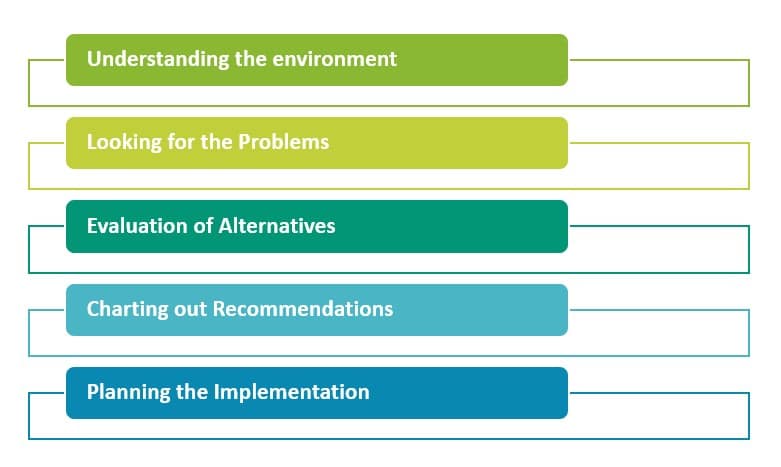
How do you answer a marketing case study?
As a marketing student, you may have faced the dilemma of how to present your analysis effectively while solving a case. The marketing case studies are an indispensable part of course discussion and interviews. It is essential to communicate your analysis effectively.
Let us now see how you can present your analysis and findings in the 4 simple steps given below:
- Dividing the bigger picture into small parts: The first step for you will be to divide the given problem into smaller, more manageable components. You might split the question down into phases or more minor concerns that you can handle one at a time.
- Defining each smaller part: The next step is to explain and define each part, likely reflecting a different business challenge. Explaining how you identified these difficulties and why you chose to focus on them will help the evaluator comprehend your thought process. This will also help you to define your recommendations easily.
- Compliment with figures and statistics: The next step is to support your proposed solutions with relevant data, figures or statistics based on primary or secondary research. Using numbers to back up your answer demonstrates that you know how to work with data and provide more authenticity to the solutions.
- Focus on Communication: Once done with all the technical aspects, the most important step to focus on is communication styles. This is the step where you have to hit the nail on the head. Step in the shoes of your evaluator and then modify your communication approach to match their demands. For example, you may explain crucial words in your response or avoid unnecessarily technical explanations depending on your target audience.
Marketing Case Study Examples
Let us look at some of the common types of marketing case studies that you must have already come across or are surely going to come across.
New Product Launch
This case study usually assesses your ability to apply various marketing approaches to a product launch. These case studies will test your creative skills and strategic planning abilities.
Launching a new campaign for an existing product
This type of case study is generally asked to assess your rebranding experience and gain insight into your outlook on difficult situations.
Launching your product into an international market
This type of case study assesses your expertise with foreign marketing campaigns and your ability to recognise the risks and rewards of selling a product in a different country.
Dealing with negative customer feedback
This type of case study tests your capacity to deal with bad publicity. When it comes to marketing, there’s always the risk that a buyer would post a poor review of your product, affecting other customers’ purchasing decisions.
The way Ahead
Now that you have got an overview of what are marketing case studies and how do you answer a marketing case study, we will now focus on marketing case study analysis in detail in the next chapters. We will discuss which kind of analysis or frameworks might help in certain situations while presenting any case.